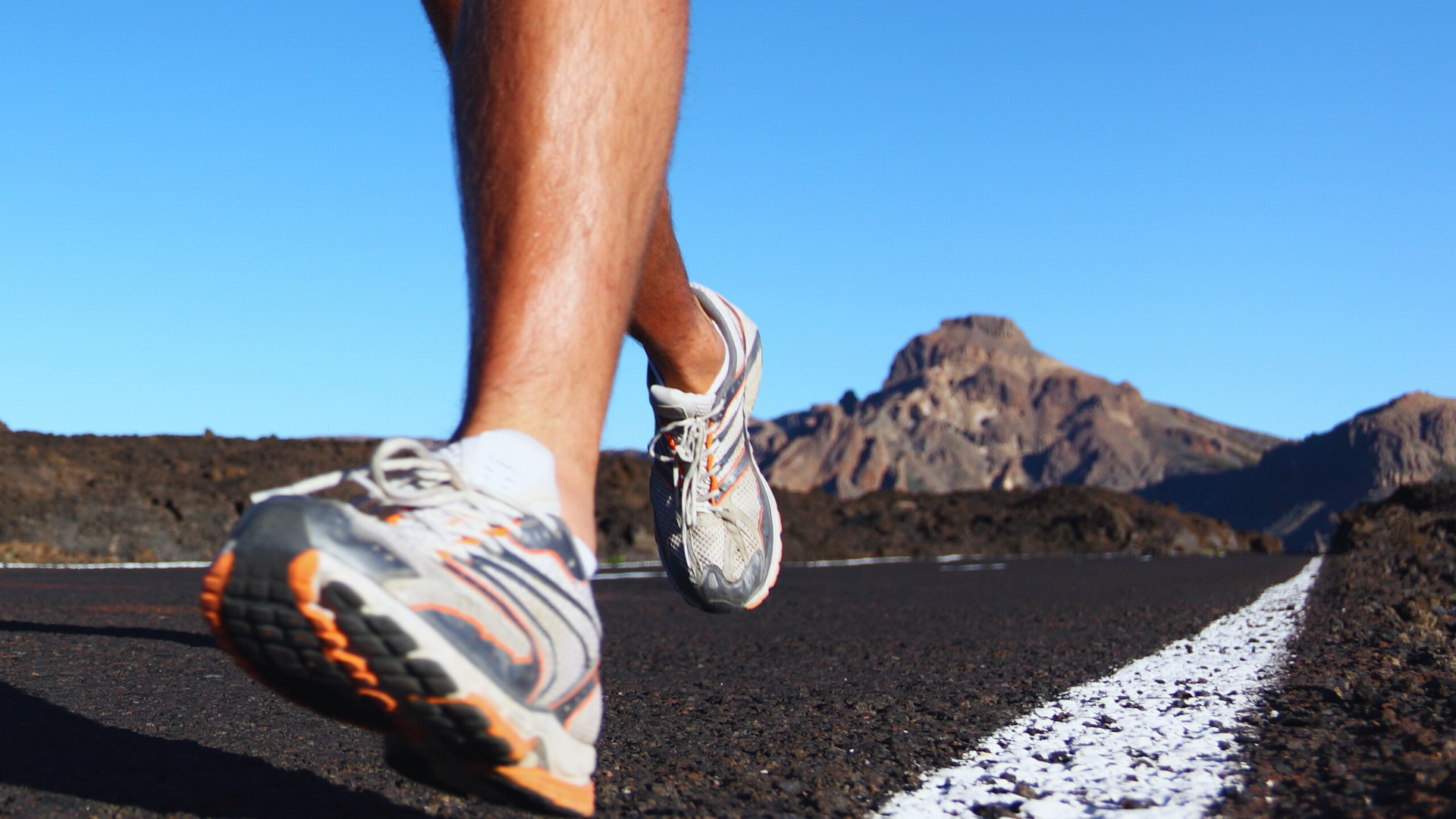
Choosing the right shoes for running depends largely on knowing your foot type, running style, and the surfaces you run on. The best running shoe offers the right balance of support, cushioning, and fit tailored to these individual needs. Without this, runners risk discomfort and injury.
Understanding whether someone pronates, supinates, or has a neutral gait helps narrow down the choices. The shoe should also feel comfortable from the moment it’s tried on, not after a break-in period, signalling the correct fit.
Different running environments require different features. Trail runners need more grip and protection, while road runners benefit from lighter, more cushioned shoes designed for hard surfaces.
Understanding Your Foot Type and Gait
Choosing the right running shoe depends on recognising key aspects of foot structure and movement. Knowing if the foot has flat arches or high arches, how it rolls during movement, and the overall shape helps in matching shoes to support and comfort needs.
Identifying Flat Feet and High Arches
Flat feet exhibit little to no arch when standing, causing most or all of the sole to touch the ground. This can lead to overpronation, where the foot rolls excessively inward during running.
High arches create a pronounced curve in the middle of the foot. These feet often lead to underpronation or supination, where the foot rolls outward, placing more weight on the outer edges.
Run a wet test by stepping on a dry surface to see the footprint. Flat feet show a broad, full imprint, while high arches leave a narrow band on the outside.
Assessing Pronation and Gait Patterns
Pronation is the natural foot roll inward after heel strike. It can be neutral, overpronated, or underpronated. Overpronation increases stress on the inner foot; underpronation places it on the outer foot.
Gait patterns reflect how a runner’s foot strikes and pushes off. Observing wear patterns on existing shoes gives clues: inner edge wear suggests overpronation, outer edge wear indicates underpronation, and balanced wear aligns with neutral pronation.
Many speciality running stores offer gait analysis, often with video, to measure pronation and recommend suitable shoes.
The Role of Foot Shape in Shoe Selection
Foot shape influences shoe fit and function. Wider feet often need shoes with broader toe boxes to avoid discomfort and blisters. Narrow feet require snug fits to prevent slipping.
Heel shape affects shoe stability. A narrow heel benefits from a firm, stabilising counter, while wider heels need more room and cushioning.
Understanding arch height, pronation, and foot width helps in selecting shoes that reduce injury risk and improve running efficiency. Matching shoe features like cushioning, support, and shape to these foot characteristics is essential.
Key Features of the Right Running Shoes
Choosing running shoes requires attention to cushioning, support, and fit. These elements affect comfort, injury prevention, and overall performance.
Cushioning for Comfort and Shock Absorption
Effective cushioning reduces the impact on joints during running. It primarily protects the heel and forefoot, where most pressure is applied. Materials like EVA foam or gel inserts absorb shock efficiently, helping to prevent injuries from repetitive strain.
The level of cushioning needed depends on a runner’s weight, terrain, and running style. Heavier runners or those running on hard surfaces typically benefit from thicker cushioning. Lightweight runners or those preferring a barefoot feel often choose minimal cushioning for better ground feedback.
Durability is important, as cushioning materials degrade over time. Runners should replace shoes once cushioning no longer provides adequate shock absorption to maintain comfort and protection.
Support and Stability Mechanisms
Support in running shoes helps control foot motion and maintains alignment during movement. Stability features are crucial for runners who overpronate (roll their feet inward) or have flat arches. These shoes generally include firmer midsoles or medial posts to prevent excessive inward roll.
Neutral running shoes offer minimal support and suit those with a normal gait or supination (outward roll). Motion control shoes provide maximum stability but tend to be heavier due to reinforced construction.
A running shoe’s outsole design also impacts stability. Wider bases or specific tread patterns enhance grip and balance on different surfaces, reducing the risk of slips or falls.
Selecting a Proper Fit
A proper fit is essential to avoid blisters, discomfort, and injury. Running shoes should have about a thumb’s width of space between the longest toe and the shoe’s front. This allows for foot expansion during running.
The heel should fit snugly to prevent slipping, while the midfoot should feel secure without being tight. Width is equally important; narrow or wide feet require corresponding shoe sizes to ensure comfort.
Trying on shoes later in the day is advisable, as feet tend to swell with activity. Socks worn during running should also be used when trying on shoes for the most accurate fit.
Choosing Shoes for Your Running Style and Needs
Selecting the right running shoe depends on the surface, individual biomechanics, and specific performance needs. Different shoes provide various levels of support, cushioning, and traction to suit those factors.
Road Running Versus Trail Running
Road running shoes focus on lightweight construction and cushioning to absorb impact on hard surfaces like asphalt and concrete. They usually have a smooth, flexible sole for efficient forward motion and enhanced comfort during long distances.
Trail running shoes prioritise grip and durability. Their soles have aggressive treads to prevent slipping on uneven or soft ground. Extra protection, such as reinforced toe caps and sturdier uppers, guards against rocks and roots.
Choosing between road and trail shoes depends on where most running occurs. Wearing the wrong type can lead to discomfort or injury due to insufficient support or traction.
Recommended Shoes for Different Runner Profiles
Runners with high arches benefit from cushioned shoes with good shock absorption, which reduce strain on the foot’s midsection. Those with flat feet need shoes offering stability and motion control to address overpronation.
Neutral runners can use versatile shoes that combine cushioning and moderate support. Heel strikers may prefer extra rearfoot cushioning, while forefoot strikers often look for more responsive, lightweight options.
Age and weight also influence the choice. Heavier runners often require shoes with enhanced cushioning and durability. Younger runners may opt for flexible styles that encourage natural foot movement.
| Runner Type | Key Shoe Features | Example Focus |
| High Arch | Cushioning, shock absorption | Soft midsoles |
| Flat Feet | Stability, motion control | Firm midsole support |
| Neutral | Balanced cushioning and support | Versatile use |
| Heel Striker | Rearfoot cushioning | Thicker heel padding |
| Forefoot Striker | Lightweight, responsive | Low drop, flexible sole |
Importance of Brand and Model Selection
Different brands excel at various aspects of shoe design, such as cushioning, durability, or fit. Selecting a well-regarded model based on reviews and user feedback helps ensure reliability.
Brand consistency matters. Some runners find certain brands better suited to their foot shape or running form. For example, brands like Brooks and Asics are known for stability shoes, while Nike and Adidas often offer innovative cushioning technology.
Trying on multiple brands and models is crucial. Footwear fit can vary widely; even slight differences affect comfort and performance. Testing shoes by jogging or walking in the store, if possible, reveals valuable information about the shoe’s adaptability.
