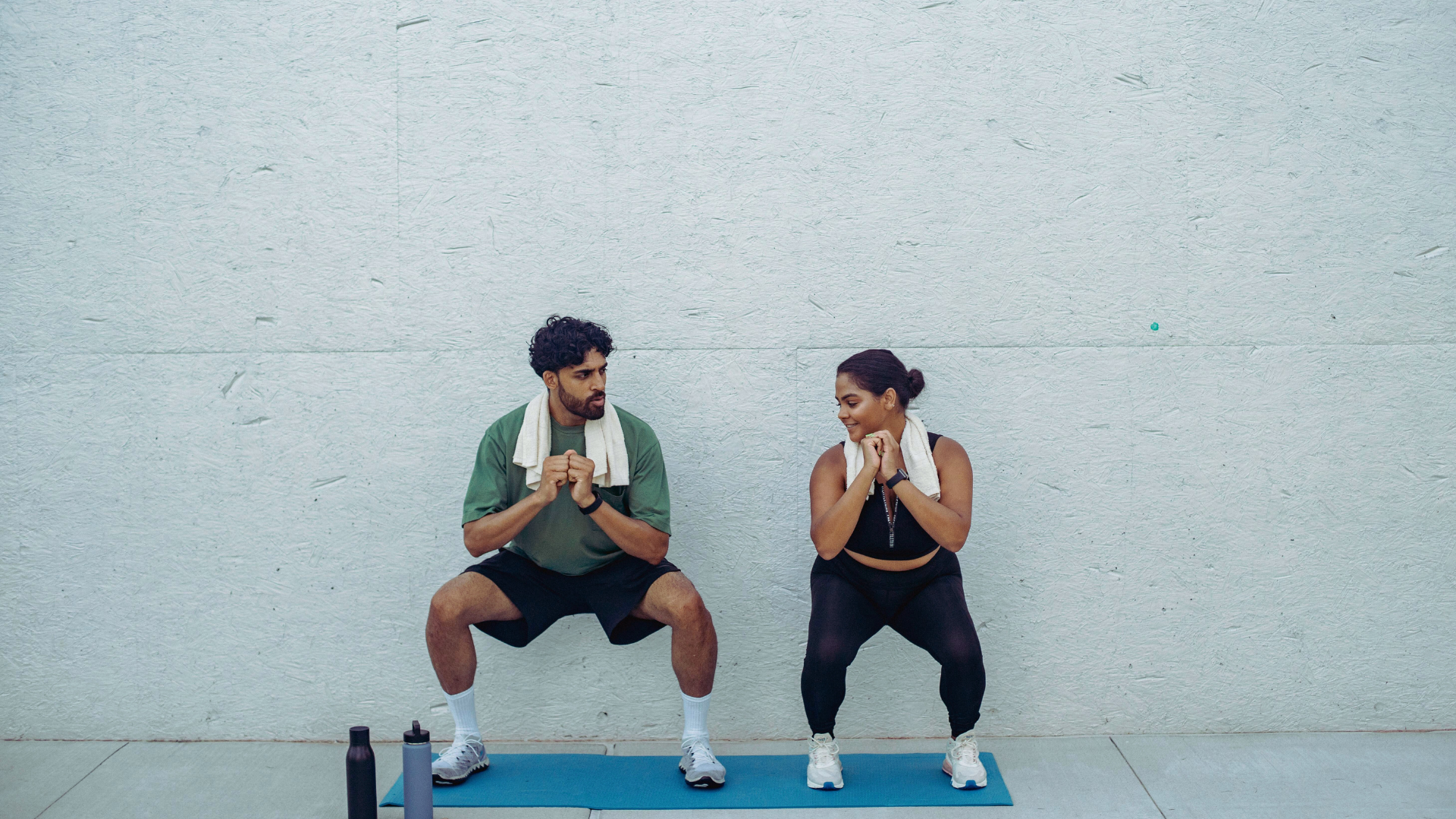
Building full-body strength requires a focus on exercises that engage multiple muscle groups simultaneously. Compound movements like squats, deadlifts, and push-ups are essential because they target several areas at once, maximising efficiency and results.
The best exercises for full-body strength combine resistance, balance, and functional movement to develop power evenly across the body. Incorporating these into a regular routine helps improve muscle coordination and overall stability.
Whether aiming for general fitness or specific athletic performance, choosing the right exercises is critical. This article explores the most effective movements to build balanced strength from head to toe.
Fundamentals Of Full-Body Strength Training
Full-body strength training focuses on engaging multiple muscles simultaneously and improving overall muscle recruitment. It requires understanding key exercise types, the specific muscles involved, and how to gradually increase training demands.
Benefits Of Compound Exercises
Compound exercises involve multiple joints and muscle groups working together. Examples include squats, deadlifts, bench presses, and pull-ups. These movements promote efficient strength gains by stimulating several muscles at once.
Because compound lifts demand more energy and coordination, they typically burn more calories and improve functional strength. They also encourage better hormonal responses, which support increased muscle building and recovery.
Incorporating compound exercises maximises training volume in a shorter period. This makes full-body workouts time-efficient, while reducing the risk of muscular imbalances common in isolation exercises.
Major Muscle Groups Targeted
Full-body strength routines should target the primary muscle groups: legs (quadriceps, hamstrings, calves), back (lats, traps, erector spinae), chest (pectorals), shoulders (deltoids), arms (biceps, triceps), and core (abdominals, obliques).
Compound exercises cover these groups effectively. For example, deadlifts work hamstrings, glutes, back muscles, and forearms simultaneously. Squats recruit quadriceps, glutes, and core stabilisers.
Balancing training across these major groups promotes symmetrical muscle development and reduces injury risk. A well-rounded approach ensures that strength gains transfer into daily activities and athletic performance.
Principles Of Progressive Overload
Progressive overload means progressively increasing the stress on muscles to stimulate growth and improve strength. This can be done by adding weight, increasing repetitions, or altering training volume and intensity over time.
Consistently applying progressive overload is necessary for continuous muscle building. Without it, strength plateaus occur, and the body adapts without further development.
Tracking performance and adjusting variables such as load, sets, and rest periods are important. Small, systematic increases ensure steady strength gains without risking overtraining or injury.
Essential Exercises For Full-Body Strength
Building full-body strength requires engaging multiple muscle groups through compound movements. Exercises that challenge both the upper and lower body, while promoting stability and coordination, form the foundation of effective strength training routines.
Squats And Their Variations
Squats are a fundamental movement for developing lower-body and core strength. The back squat targets the quadriceps, hamstrings, glutes, and core stabilisers. Variations like the goblet squat and split squat cater to different skill levels and help improve balance and unilateral strength.
The Romanian deadlift complements squats by focusing on the hamstrings and glutes with a hip-hinge movement. Adding lunges or jumping lunges increases dynamic strength and coordination. Equipment options range from free weights like barbells and dumbbells to machines such as the leg press and leg curl, depending on the athlete’s goals and experience.
Deadlifts For Total-Body Power
Deadlifts engage a wide range of muscles, including the hamstrings, glutes, back, and core, making them one of the most effective lifts for overall strength. The traditional deadlift improves posterior chain strength, grip, and posture simultaneously.
Variations such as the Romanian deadlift focus more on the hamstrings and lower back, aiding in hip extension and flexibility. Proper technique is crucial to avoid injury, especially in maintaining a neutral spine. Deadlifts complement squats and pressing movements by providing full-body power development through a rowing and hip-hinge pattern.
Bench Press And Overhead Press
The bench press and overhead press are key pressing exercises for upper body strength. The bench press primarily targets the chest, shoulders, and triceps. It builds pushing power useful for both athletic performance and daily activities.
The overhead press strengthens the shoulders, upper chest, and triceps, improving vertical pressing strength and shoulder stability. Dumbbell versions of both lifts offer a greater range of motion and muscle activation. Both exercises are important compound movements that balance pulling exercises and enhance upper-body muscular development.
Pull-Ups And Row Movements
Pull-ups and rows focus on pulling strength, which is vital for posture and balanced musculature. Pull-ups engage the latissimus dorsi, biceps, and shoulders, developing upper back width and grip strength.
Rowing variations like bent-over rows, single-arm rows, and machine options such as lat pulldowns and seated cable rows target the mid-back muscles, rhomboids, and traps. Rows complement pull-ups by reinforcing scapular retraction and spinal stability. These exercises ensure balanced muscle development and improve functional strength for a variety of activities.
Structuring An Effective Full-Body Workout Routine
A successful full-body workout routine requires careful planning of exercise distribution, workout frequency, and recovery strategies. These elements ensure consistent muscle growth, increased strength, and sustained athletic performance.
Building A Balanced Training Plan
A balanced plan targets all major muscle groups evenly to promote muscle mass and reduce the risk of imbalances. This typically includes compound exercises such as squats, deadlifts, bench presses, and rows that engage multiple muscles simultaneously.
Including both push and pull movements, as well as lower and upper body exercises, supports comprehensive strength development. Accessory work can address specific weaknesses or mobility concerns, but should not overwhelm the main lifts.
Varying rep ranges between 6-12 reps encourages both hypertrophy and strength gains. Proper warm-up and cool-down activities also enhance workout quality and reduce injury risk.
Recommended Weekly Workout Splits
For most individuals, a 3-day full-body workout split works well, spreading sessions across non-consecutive days. This allows optimal recovery and consistent muscle stimulation throughout the week.
Alternatively, an upper/lower split performed 4 days weekly can increase training volume while maintaining balanced focus. This offers a moderate increase in frequency without excessive fatigue, aiding muscle growth and strength.
Both splits support athletic performance by ensuring the workload is manageable. Progression should be gradual, increasing weight or reps in line with individual recovery and adaptation.
Adjusting Volume And Recovery
Volume, intensity, and frequency must align with recovery capacity to avoid overtraining and plateaus. Beginners often respond well to moderate volume (3-4 sets per exercise), while advanced lifters may require higher volume for continued gains.
Recovery tactics include sufficient sleep, nutrition, and rest days between sessions. Monitoring fatigue and performance helps adjust training load appropriately.
If progress stalls, reducing volume or adding an extra rest day can improve long-term strength and muscle growth. Recovery is an active component of any effective workout routine.
Maximising Results And Reducing Injury Risk
Building full-body strength effectively demands attention to technique and recovery. Proper movement, injury prevention, and tracking improvements are essential for consistent muscle growth.
Optimising Range Of Motion
Using the full range of motion (ROM) during exercises increases muscle activation and strength gains. For example, squatting to parallel or deeper engages more muscle fibres than shallow squats. It also improves joint flexibility, reducing stiffness.
Controlled movement through each phase of repetition prevents compensations and imbalances. Athletes should avoid cutting the motion short to lift heavier weights, as this limits results and raises injury risk. Incorporating mobility drills before workouts enhances ROM and promotes safe lifting.
Tracking joint angles with apps or mirrors helps maintain optimal movement patterns. Increasing ROM progressively, rather than forcing it, avoids strain. Emphasising form over load contributes most to durable strength development.
Managing Overuse Injuries
Overuse injuries occur when muscles and tendons endure repetitive stress without adequate rest. Common signs include persistent soreness and reduced range of motion. Early identification is key.
Rotating exercises targeting the same muscle groups can reduce repetitive strain. For instance, alternating barbell rows with dumbbell rows distributes the workload differently across joints and muscles. Incorporating active recovery days with low-impact activities supports tissue repair.
Proper warm-up, stretching, and cool-down routines lower injury risk. Paying attention to pain signals and adjusting intensity prevents the progression of minor issues. Seeking a professional assessment if pain persists beyond a week is advisable.
Monitoring Progress And Adaptation
Tracking workout variables like load, sets, reps, and rest times ensures progressive overload, which drives muscle growth. Recording these factors allows adjustments for plateaus or performance dips.
Regularly assessing strength using standard tests—such as one-rep max or timed holds—indicates if the program meets adaptation needs. Adjusting exercises to match increasing strength prevents stagnation.
Recovery metrics like sleep quality and muscle soreness should inform training intensity. Overtraining impedes progress and increases injury risk. Consistent monitoring creates a feedback loop to optimise strength gains safely.
